
The Energy Shift: How Instability Is Reshaping Thailand’s Energy Future | MPG
Thailand’s energy strategy is entering a new phase. What was once framed primarily as a transition toward cleaner energy is increasingly becoming a broader question of national resilience, cost stability, and supply-chain security. The recent disruption to energy flows through the Strait of Hormuz has exposed the vulnerability of import-dependent economies across Asia, including Thailand, where a significant share of crude oil and LNG imports is linked to Middle Eastern supply routes. The International Energy Agency has reported that the crisis removed close to 20% of global LNG supply from the market and triggered sharp price increases across key importing regions.
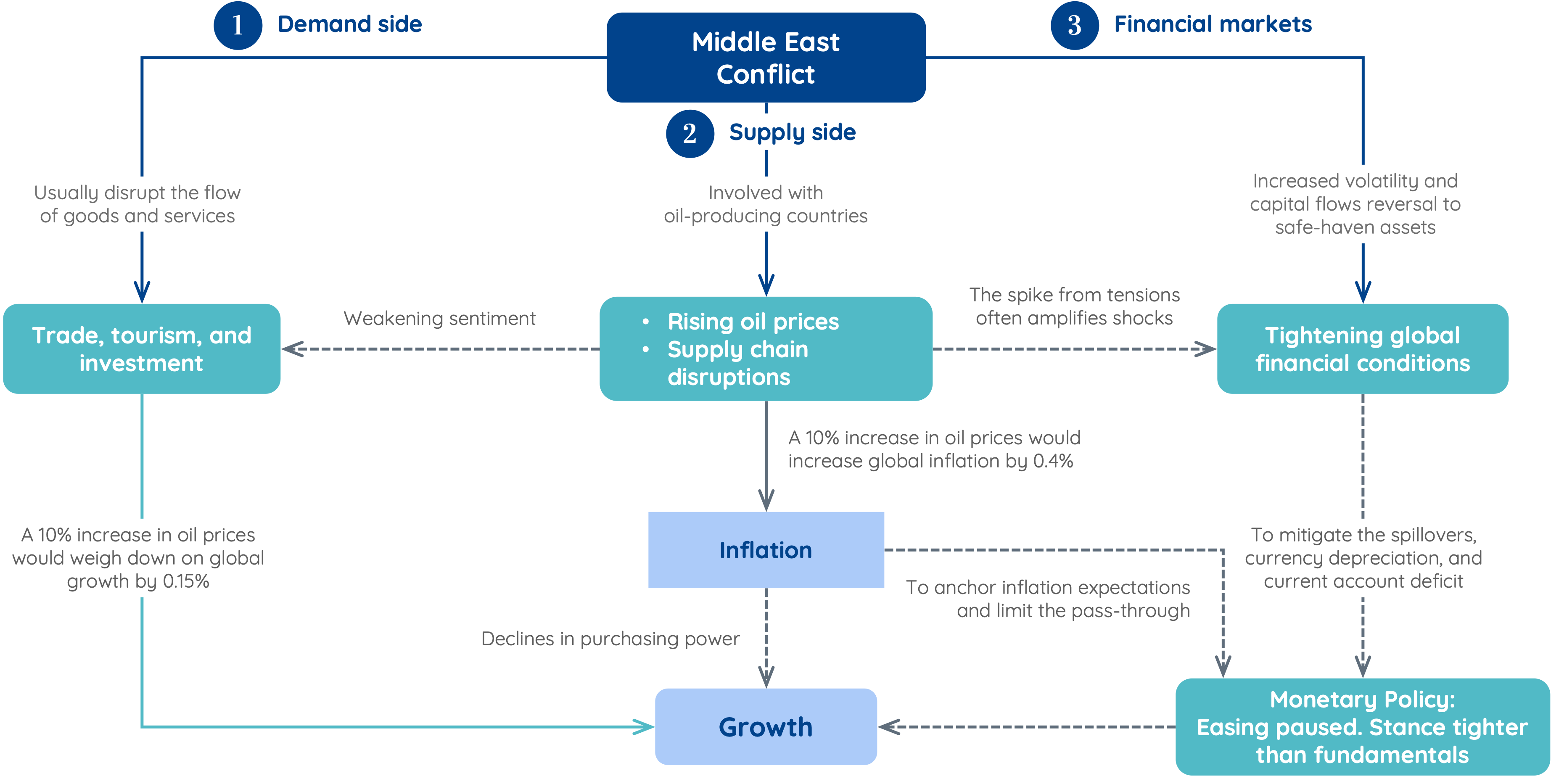
Figure 1. Transmission Channels of the Middle East Conflict to the Economy.
For Thailand, the implications are structural. Natural gas remains a major fuel source for electricity generation, while crude oil and LNG imports continue to play a central role in the country’s energy system. Krungsri Research estimates that Thailand imports approximately 0.3 million barrels of crude oil per day through the Strait of Hormuz, representing 58% of total crude imports, and approximately 2.2 million tonnes of LNG annually through the same route, equal to 24% of total LNG imports. More than 60% of Thailand’s electricity generation is also linked to natural gas, making the power sector directly exposed to global gas price volatility.
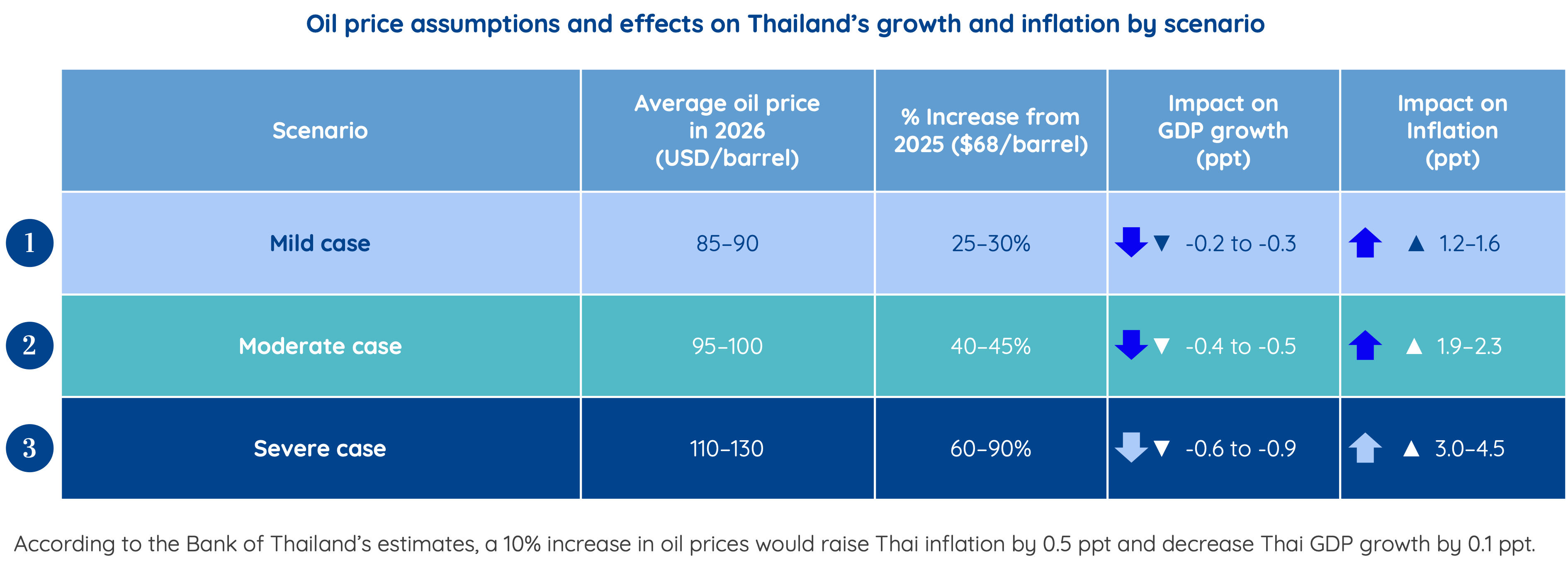
Figure 2. Estimated Impact on the Thai Economy.
This exposure is not merely an energy issue; it is a business, inflation, and competitiveness issue. Higher LNG and oil prices can feed into electricity tariffs, logistics costs, manufacturing expenses, and downstream pricing. For energy-intensive industries, including petrochemicals, plastics, packaging, food processing, data centers, and advanced manufacturing, energy instability increasingly affects investment planning and operating margins. Regional analysis has also noted that LNG is less flexible than crude oil because of terminal compatibility, calorific specifications, and long-term offtake structures, making rapid diversification more difficult during periods of disruption.
A particularly important indicator in this environment is the projected pressure on Singapore Gross Refinery Margins (“GRMs”), illustrated in the accompanying chart. Unlike the 2022 Russia–Ukraine crisis—when strong post-pandemic demand and diesel shortages supported refinery profitability—the current environment is unfolding amid weaker global growth and softer energy demand. In a severe escalation scenario, refineries may be forced to purchase replacement crude at significantly higher prices while facing limited ability to pass costs through to consumers due to slowing economic activity and retail price controls. This could materially compress refinery profitability across the region. The implications extend beyond refining. Thailand’s power sector, which relies heavily on natural gas, remains directly exposed to supply disruptions and LNG price volatility, while downstream industries such as petrochemicals, plastics, packaging, and other energy-intensive sectors could face rising feedstock costs amid weakening demand and declining consumer purchasing power. Over time, this combination may place increasing pressure on industrial profitability, competitiveness, and long-term investment confidence.
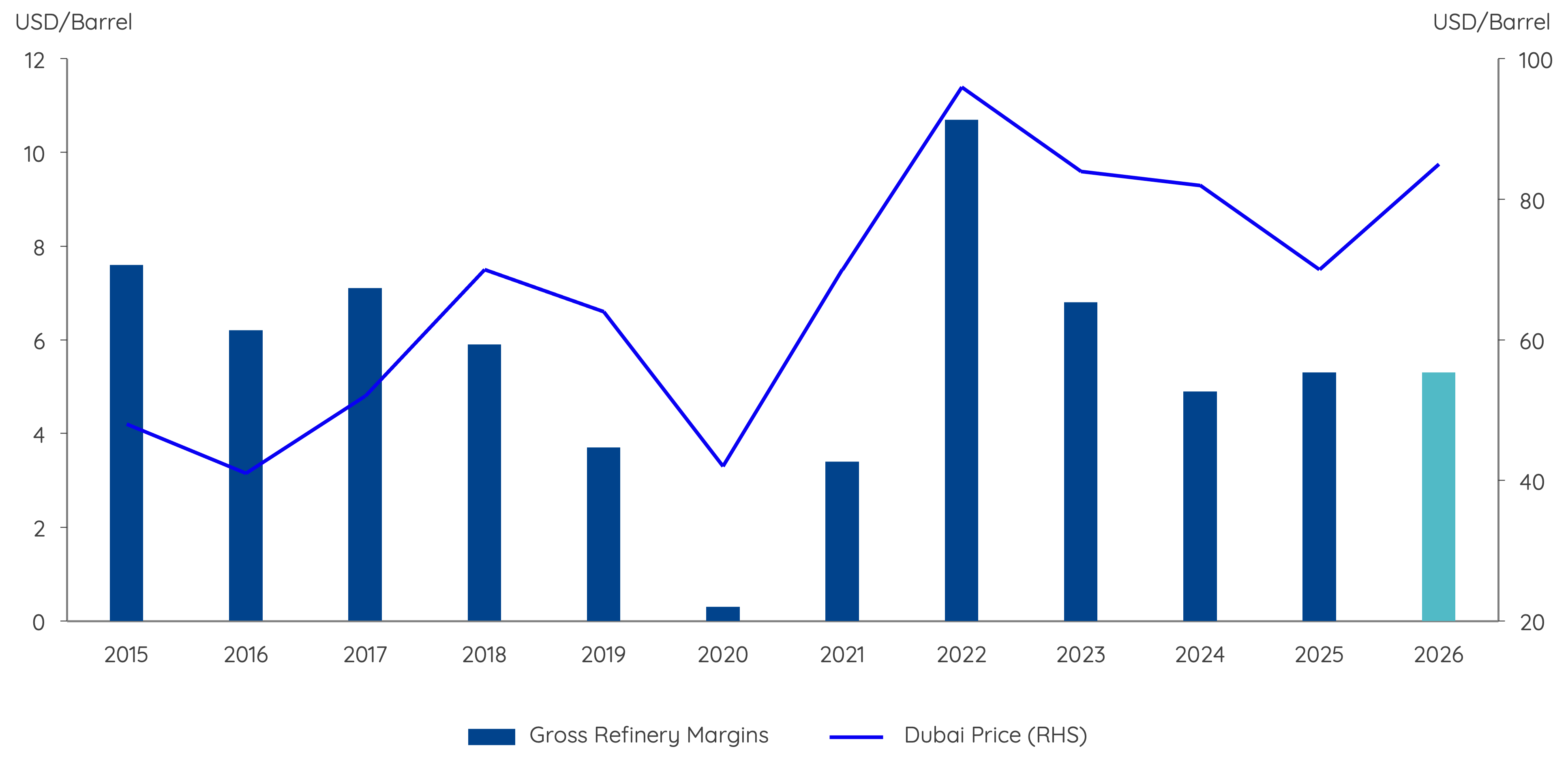
Figure 3. Singapore Gross Refinery Margins (GRMs): Base-Case Scenario Impact.
Against this backdrop, Thailand’s energy transition is being reframed. Renewable energy, energy efficiency, storage, grid modernization, and distributed generation are no longer only climate-policy instruments; they are becoming strategic tools for reducing exposure to imported fuel volatility. Thailand’s Alternative Energy Development Plan 2018–2037 targets renewable and alternative energy at 30% of final energy consumption by 2037, with renewable electricity capacity expected to reach 29,411 MW, including significant solar, biomass, wind, hydro, and waste-to-energy components.
The policy direction is also becoming more ambitious. Draft PDP 2024 discussions have pointed toward increasing the share of renewable power generation to approximately 51% by 2037, although the plan has experienced delays and had not been finalized as of early 2026. This signals a clear direction of travel: Thailand is seeking a power mix that is cleaner, more diversified, and less exposed to imported fossil fuel shocks.
For investors, this creates a more complex but attractive landscape. Energy projects increasingly sit at the intersection of regulatory policy, infrastructure planning, carbon strategy, industrial competitiveness, and foreign direct investment. Opportunities are likely to expand in utility-scale solar, floating solar, biomass, biogas, waste-to-energy, energy storage, smart grids, private power purchase agreements, and energy-efficiency solutions. Demand from data centers, EV supply chains, advanced manufacturing, and export-oriented industries will further increase the premium on reliable and low-carbon power.
The legal and commercial implications are significant. Investors will need to assess licensing requirements, BOI promotion eligibility, power purchase structures, land and environmental approvals, grid connection issues, tax incentives, foreign ownership limitations, and long-term offtake arrangements. For industrial operators, energy strategy should also be integrated into broader compliance and risk-management frameworks, particularly where electricity cost volatility affects pricing, ESG commitments, or customer requirements under global supply-chain standards.
Thailand’s energy shift should therefore be understood as both a defensive and offensive strategy. Defensively, it reduces vulnerability to geopolitical shocks, fuel-price volatility, and maritime chokepoint disruption. Offensively, it positions Thailand to attract the next wave of investment in clean industry, digital infrastructure, sustainable manufacturing, and regional supply-chain relocation.
In this new environment, energy policy is no longer separate from industrial policy. The countries that can provide reliable, affordable, and increasingly clean energy will be better positioned to attract capital, support exporters, and build resilient growth. For Thailand, the current instability may accelerate a necessary transition: from energy dependence toward energy resilience.